FOOLS
April is for the fools.
When I was a little girl, I loved to read.
I would read almost anything I could get my hands on.
One thing I remember consistently looking forward to was the annual edition of the Farmer’s Almanac.
I would read it standing in the check-out line at the grocery store, eagerly peeking (hoping) to see if there was a chance for winter snow.
On occasion, we would purchase a copy and follow along look with each season’s planting recommendations and weather predictions.
I was fascinated.
PATTERNS
The Farmer’s Almanac was my first introduction to the idea that there were cycles happening in the world that I had never considered before.
People were tracking patterns.
People were sharing patterns.
People were preparing farmers for the best outcomes for harvests, weather, and survival.
Thankfully, tracking patterns for optimum sustainability is something that humans have done to protect and preserve for future generations, because generally,
the past predicts the future.
Exploring Patterns
SOLAR PATTERNS
Our Solar Year is 365 days, 5 hours, and 48 minutes long, the time it takes for the Earth to make one full revolution around the sun.
Our calendar year was set in ancient Egypt, and was determined by the heliacal rising of the star Sirius. (Heliacal means that it appears in the sky before dawn.)
They tracked Sirius, because around mid-July as the star would rise before the Sun, the Nile River would also begin to flood.
They experienced it,
tracked it,
found the pattern,
and adapted.
They noted 12 months consisting of 30 days (12 × 30 = 360).
In modern times, we account for the remaining 5 days and 48 minutes as leap years.
LEAP YEARS: 2000, 2004, 2008, 2012, 2016, 2020, 2024, 2028, 2032, etc.
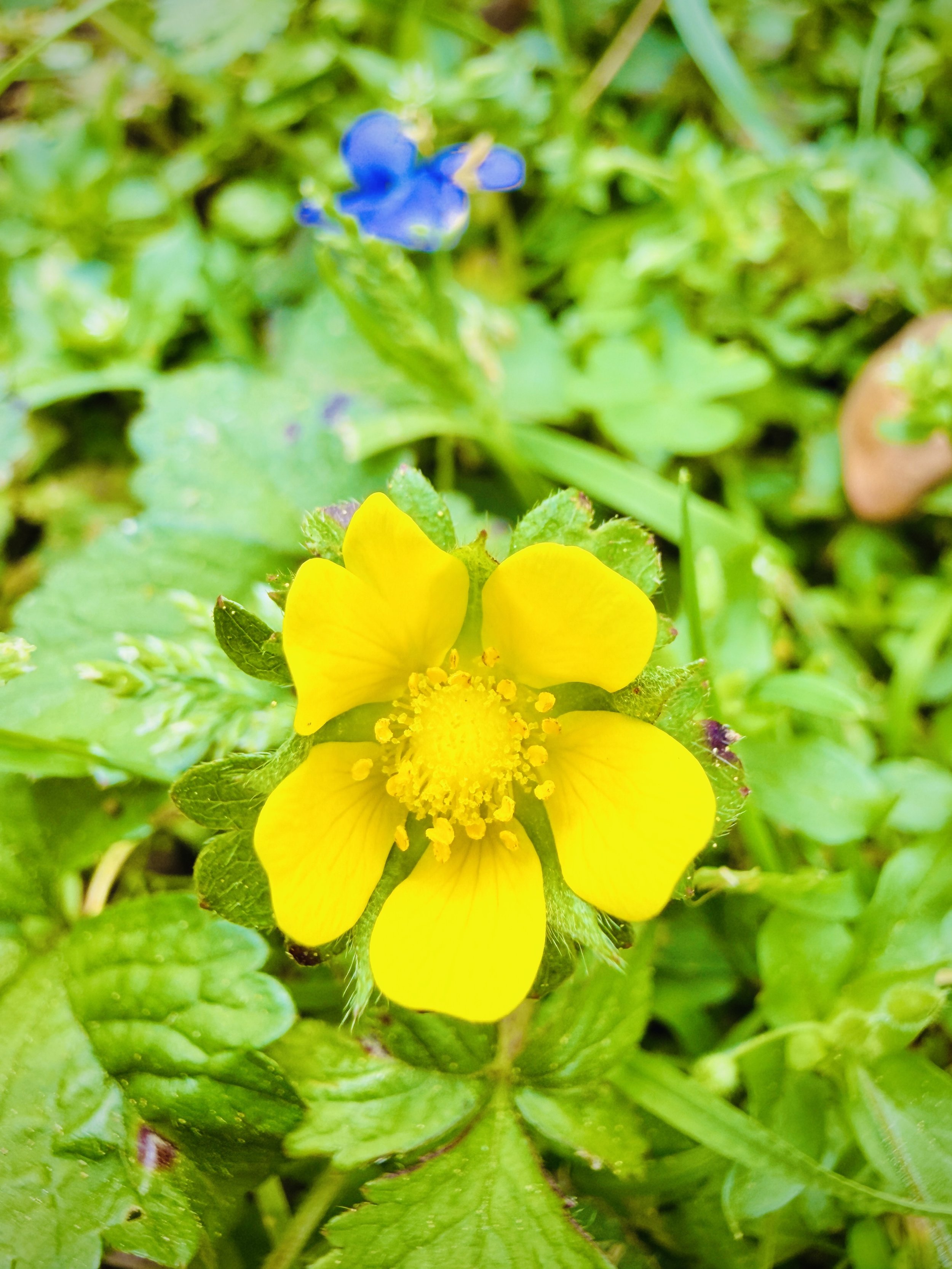
LUNAR PATTERNS
The moon’s cycles once set the calendar.
Native Americans had names for each moon.
The Algonquin tribes from the region around Lake Superior often described the significance of the season in the moon’s name. Read more about that here.
COUNTING MOONS
Using a 13 month calendar lasting 28 days = 364 days, would leave only a single day shy of the 365 solar calendar. The remaining day is sometimes called a “day out of time.”
Our current calendar shows 13 full moons only every 2.5 years, making it a less-common occurrence.
When a year has two full moons within the same month, the second is called a “blue moon.”
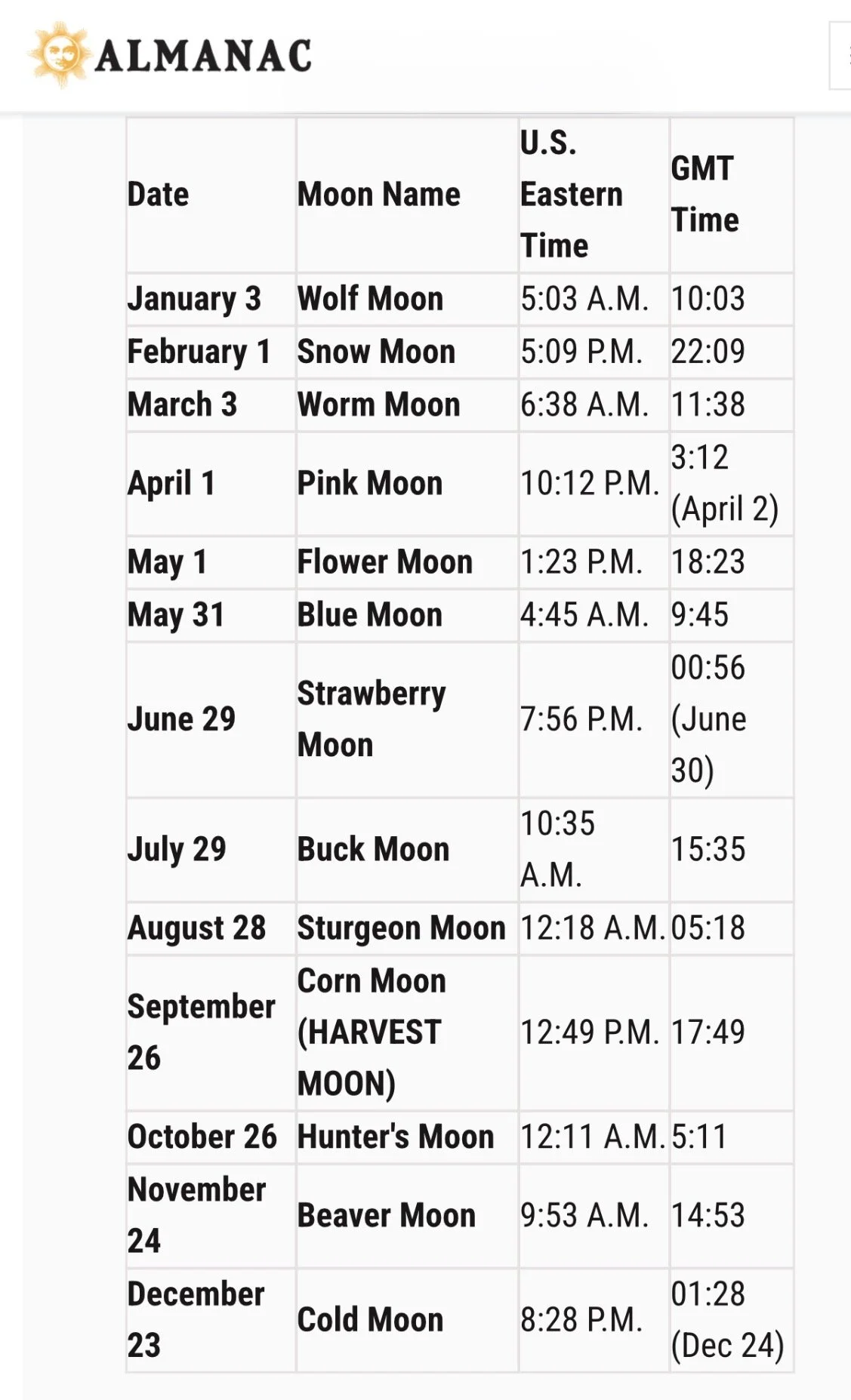
2026 has 13 full moons, with a “blue moon” on May 31, 2026.
2026’s 13 Full moons:
Courtesy of Almanac.com,
THIS FULL PINK MOON
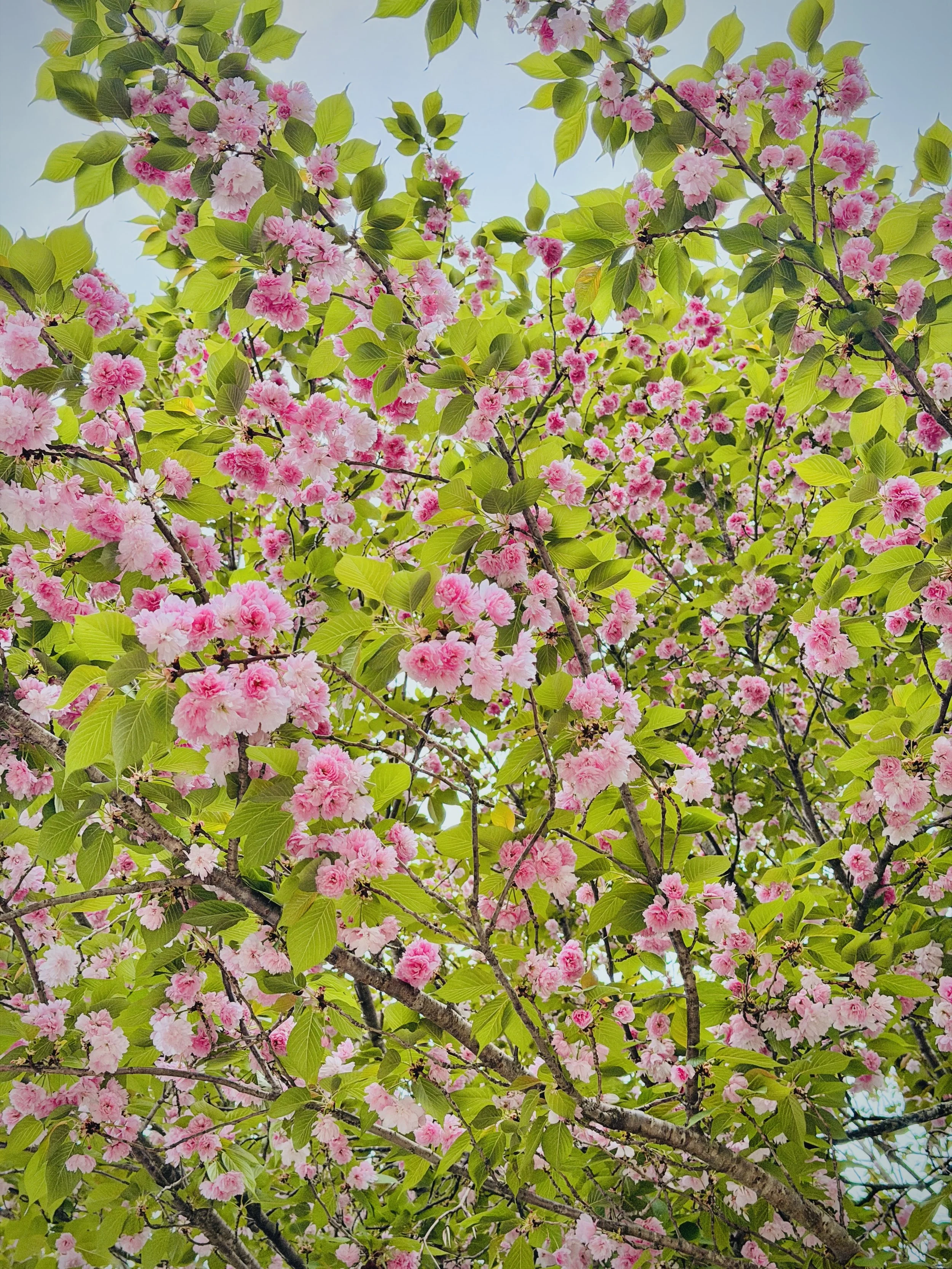
Today, on April 1st, 2026, we are under the full “pink” moon, named for the beautiful, pink creeping phlox that blooms this time of year.
It signals a change of scenery.
Plants awaken from dormancy and begin to show their aliveness!
The fullness of the moon will be at 10:12 pm EST, and it will not be pink, despite its name.
TIME
As it goes, time changes things, and
sometimes, time changes.
April 1st used to be the new year.
The Julian calendar became the Gregorian calendar in 1582, and 10-11 days were lost in the switch.
With March/April as a start, the names of the months begin to make more sense: September (Sept - 7th month), October (Oct - 8th month), November (Nov - 9th month), and December (Dec -12th month).
APRIL FOOLS
A new year was rolled back to January 1st, likely to honor Janus (the Roman god of beginnings, gates, and transitions).
Janus had two faces, one looking in either direction. One gazing at the past, the other focused on the future.
All of those who held tightly to their former new year, April 1st, instead of the new year date of January 1st were deemed fools.
April 1st became a day to mock, make fun of, and taunt those who were slow to adopt the new calendar system.
Mocking and saying things in jest have always been an effective form of psychological pressure.
This had incredible staying power, as even centuries later, people play pranks and small jokes on April 1, April Fools’ Day.
WHAT’S A FOOL?
Out of curiosity, I looked at the original meaning of the word “fool.”
There were references of jesters, mockers, and the blissfully oblivious.
It referred to an inflated leather bag, empty-headed person, or a windbag.
Later, meaning a jester, royal entertainer, or a person lacking judgment.
ARE WE THE FOOLS?
Are we becoming more disconnected from the rhythms of the natural world?
Who sets our time and rhythms?
Can you tell time without looking at a screen?
There are eras in our past when the average person could look to the sky and tell the season based on how the stars were aligned.
People could tell the time of day based on how the sun cast its shadows.
They could tell a coming rain by the smell in the air.
They could read the safety of the seas by the colors in the skies.
Now, many of us never see the sun rise or set at all, and we look to a device in our hands to tell us the time, coming weather, and current conditions.
THE WILLING FOOL
Life has its own perfect rhythm, and I just wanted to remind you of it.
I hope you enjoy this day.
Be foolish, if you choose.
Be cheerful, if you choose
Be brand new, if you choose
Remember that play and gratitude are on the table.
Good things are up for grabs for the fool who is willing.
OLD NEW YEARS
Today, April 1, would have been the old new year.
Was January your new year or are you feeling a new start now?
If it’s now, let me know.
I’d love to help!
LISTEN UP
A few songs for the fool in you:
Fool Hearted Memory by George Straight

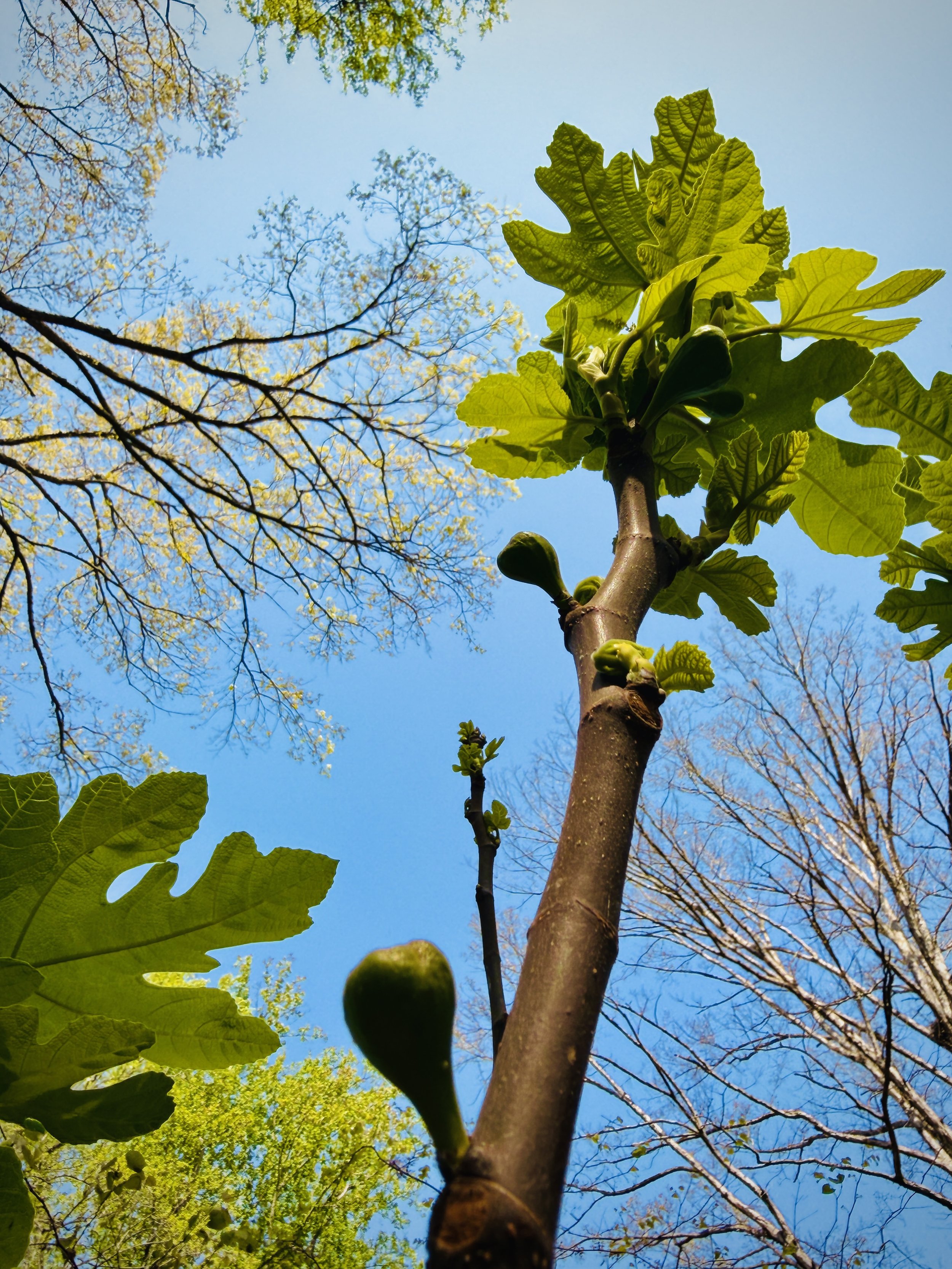
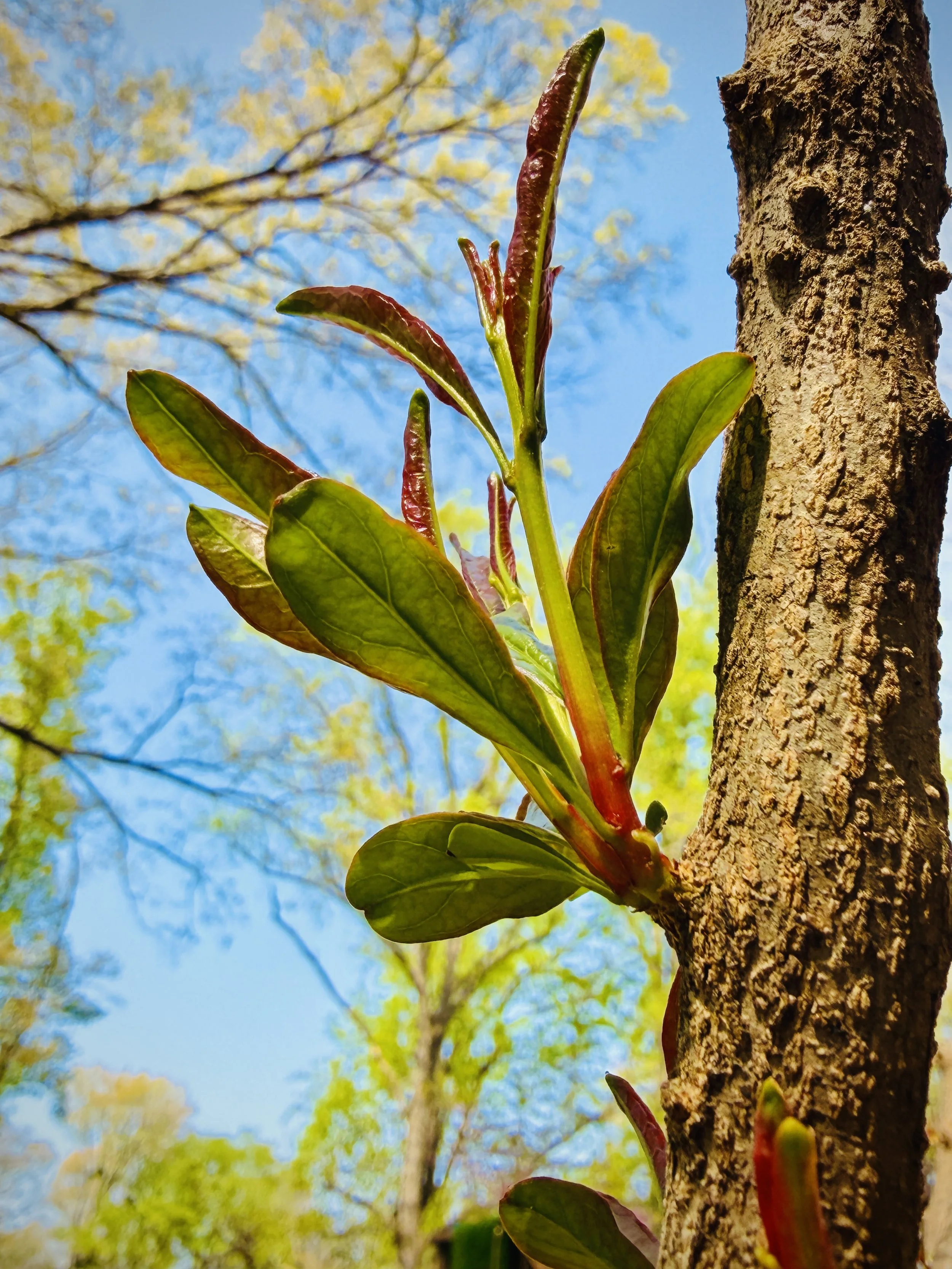
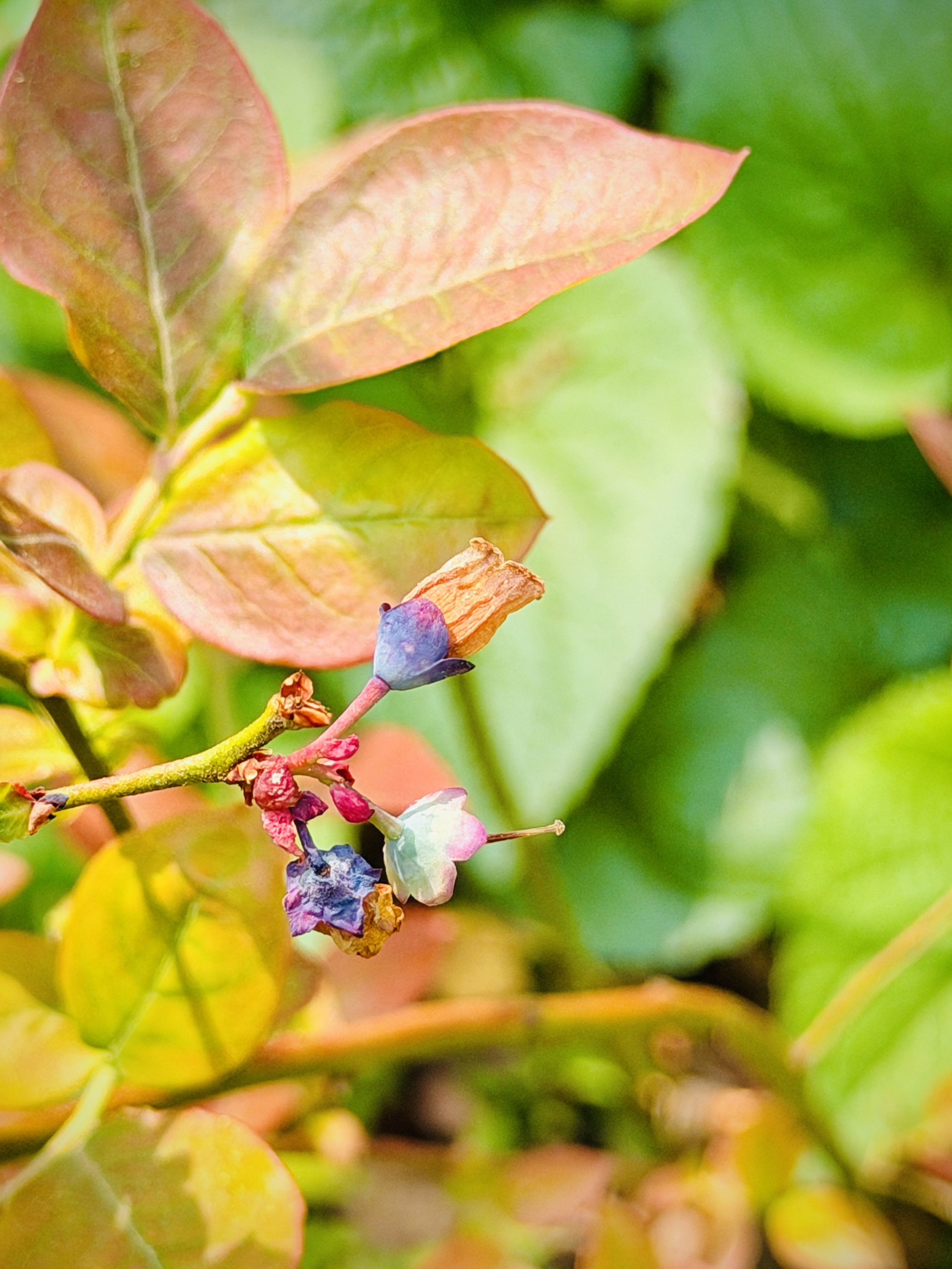
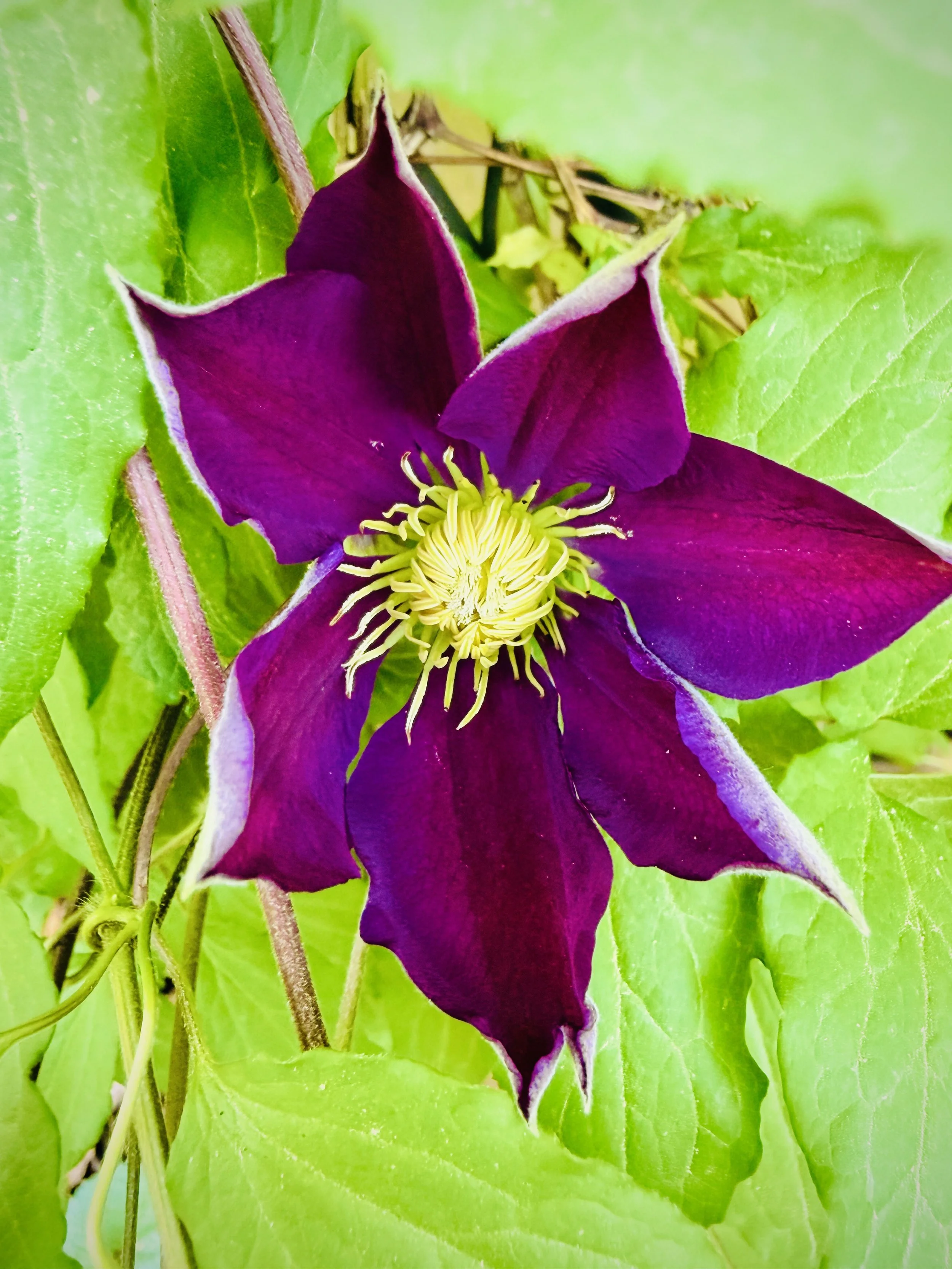
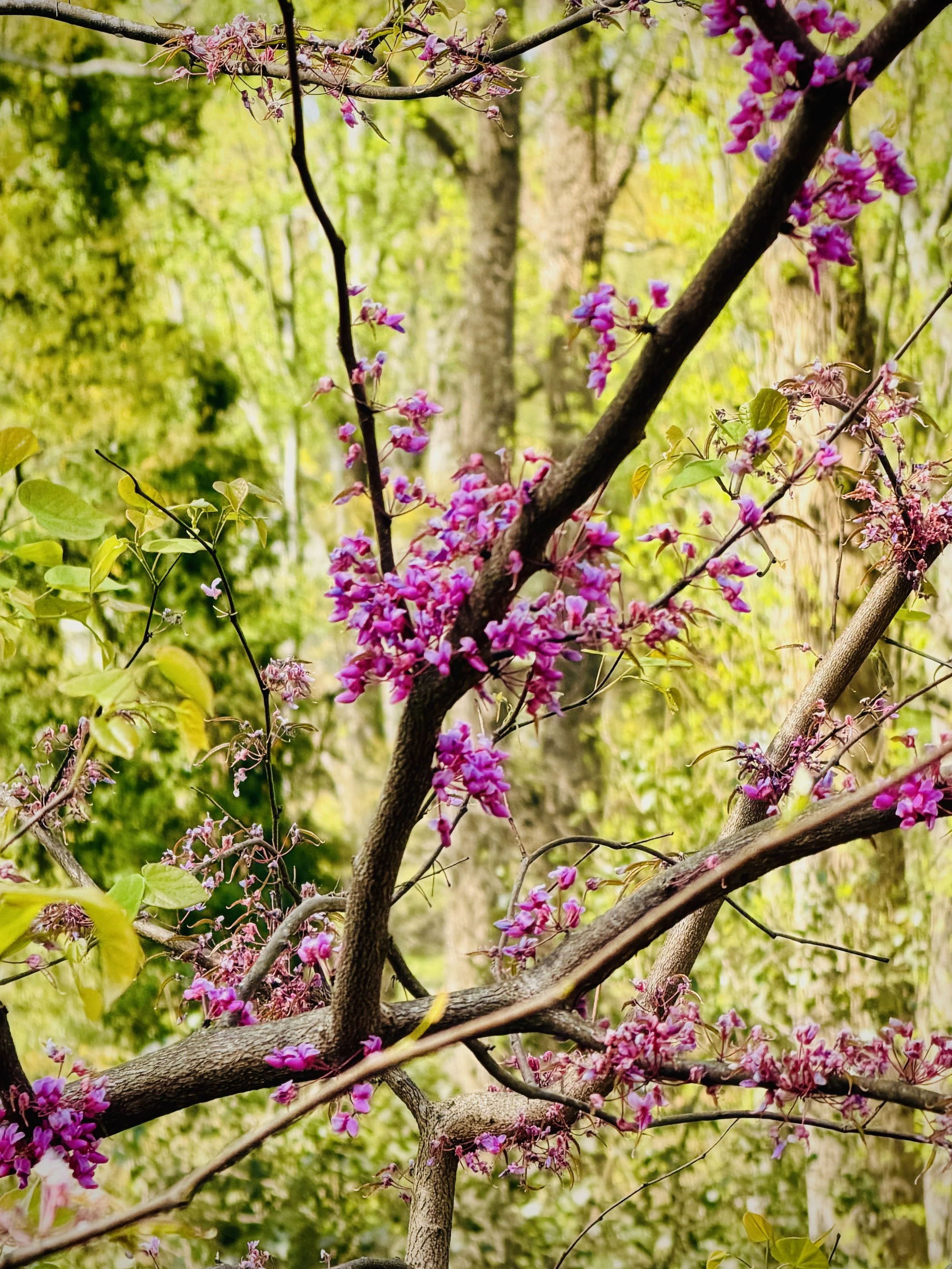
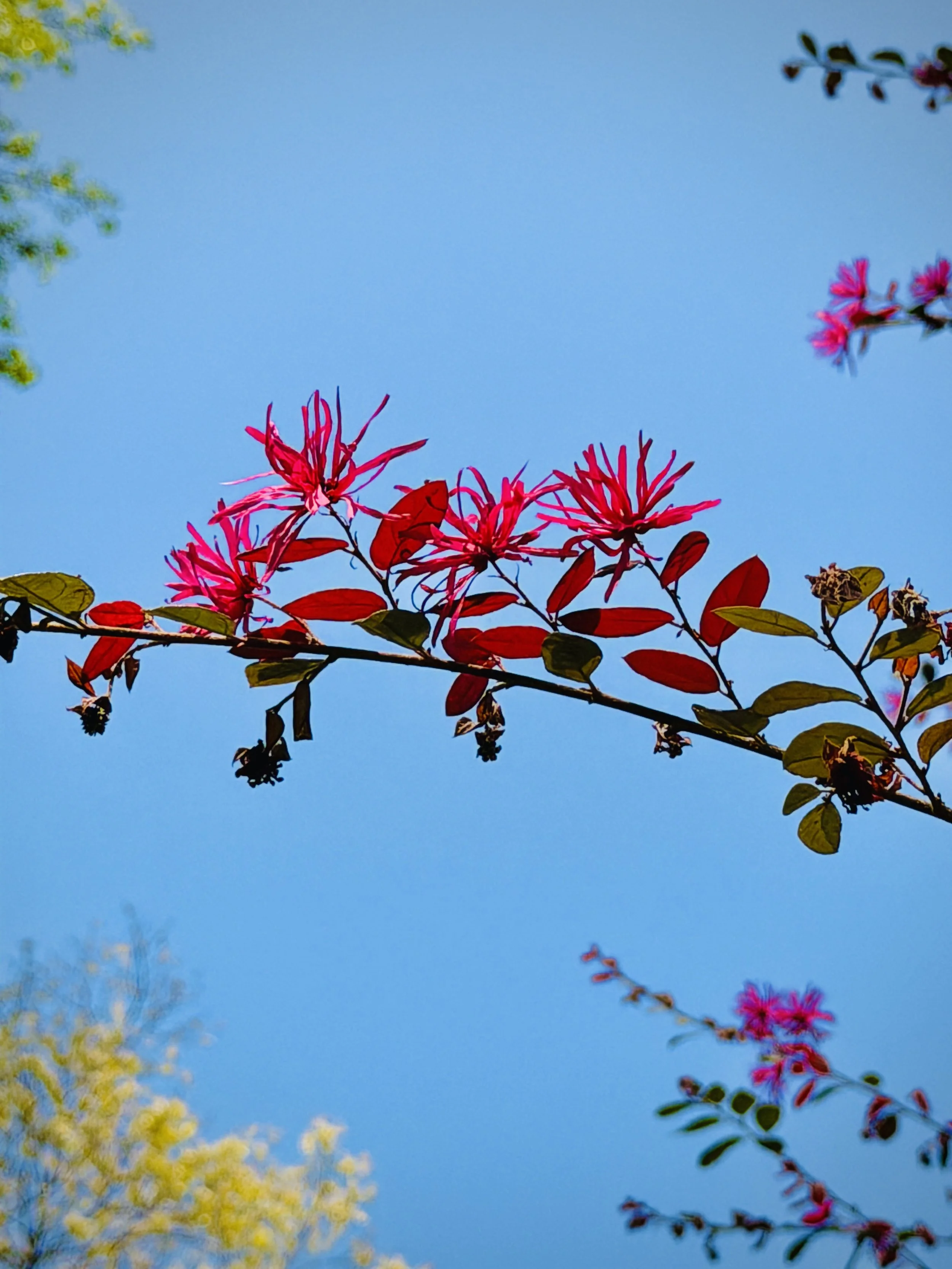
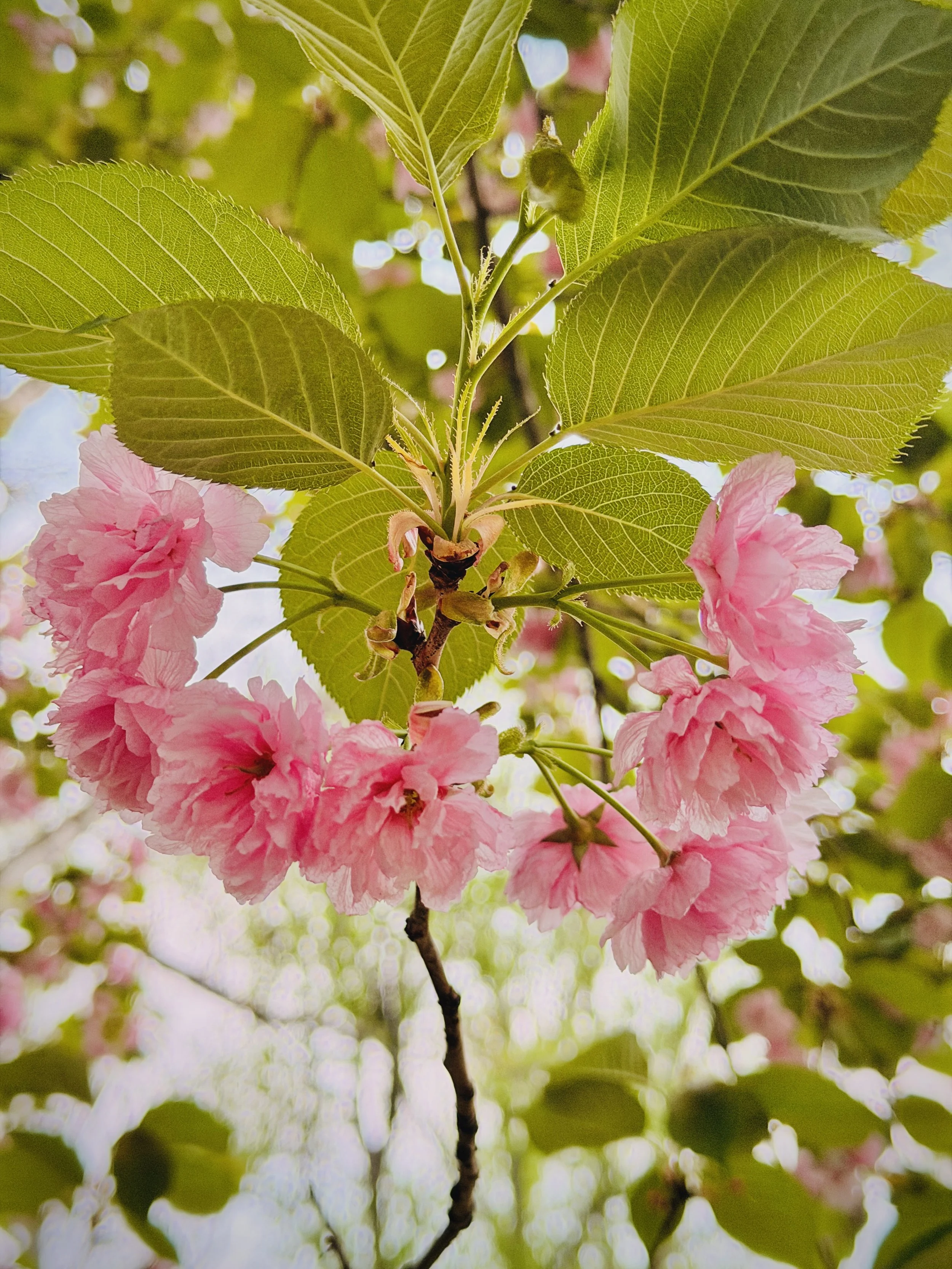
PS - I photographed all of these flowers around my yard this morning and noticed that the fig tree already has figs! Yay!